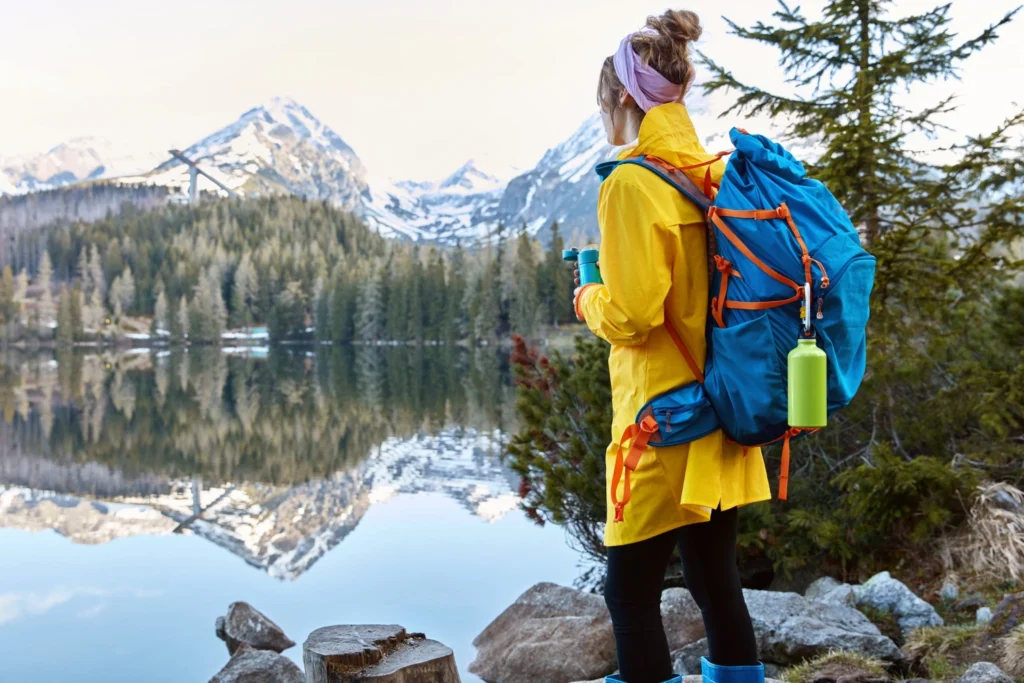
Alpine resorts, long renowned for their winter activities, are now adapting to a new reality. As reliable snowfall retreats due to climate change, many resorts are shifting focus towards summer tourism. This strategic pivot not only supports local economies year-round but also embraces outdoor enthusiasts looking for fresh adventures.
Shifting focus in the face of change
The decline in consistent snowfall has forced several Alpine resorts to reconsider their traditional winter-only operation. With warmer temperatures threatening their main attraction, these areas are seizing the opportunity to develop summer tourism activities. The shift is not just reactive but proactive, aiming to ensure long-term sustainability.
Investments in mountain biking, hiking trails, and other summer sports have become increasingly common. Resorts are enhancing infrastructure and facilities to cater to these new needs. This expansion aims to attract a broader range of tourists, not just during the snowy months but all year round.
Innovative summer offerings
While the Alpine resorts have traditionally thrived on the ski season, they are now diversifying their offerings. Many are introducing activities like zip-lining, rock climbing, and nature tours. These activities are designed to capitalize on the stunning summer landscapes and cater to adventure seekers of all ages.
Mountain biking trails
Mountain biking has become a major attraction at Alpine resorts. With a wide array of trails, from beginner to expert levels, resorts offer a new kind of thrill for tourists. Some locations have even constructed dedicated downhill tracks and bike parks to draw enthusiasts from around the globe.
Guided nature hikes
Nature hikes guided by knowledgeable experts offer visitors the chance to explore the unique Alpine flora and fauna. These hikes not only provide exercise but also educate tourists on the region’s ecology. Enhanced with storytelling by local guides, these tours add an enriching layer to the visitor experience.
Sustainability and economic impact
By branching out into summer tourism, Alpine resorts are fostering economic resilience. This year-round operation model helps sustain local businesses and job markets that previously relied on a now-unpredictable ski season. Moreover, these expanded offerings align with global moves towards sustainable tourism.
With summer activities, resorts are less dependent on snowmaking, which involves significant water and energy consumption. Promoting eco-friendly tourism practices not only preserves the natural landscape but also appeals to environmentally-conscious travelers.
As more resorts adopt this model, they are creating a positive ripple effect across associated sectors, from hospitality to retail. This strategic move positions the regions well for future challenges and opportunities linked to climate change. The – Alpine Convention – supports such initiatives, emphasizing the importance of integrating sustainability into development plans.
Steps towards a year-round destination
For Alpine resorts, this is not just about survival—it’s about transformation. By investing heavily in the summer season, they seek to redefine themselves as year-round destinations. The merger of winter and summer activities creates a unique offering that appeals broadly to global travelers.
These developments might reshape the perception of Alpine regions. No longer seen solely as ski havens, they are evolving into versatile holiday destinations. As resorts continue to refine their summer attractions, they play a critical role in carving out a new niche in the tourism industry, possibly creating an example for other winter-based locales worldwide.
To explore more about how such transformations are impacting global winter and summer tourism markets, visit the insights of – Europe’s tourism authorities – and related sector analysis from the – UNWTO.