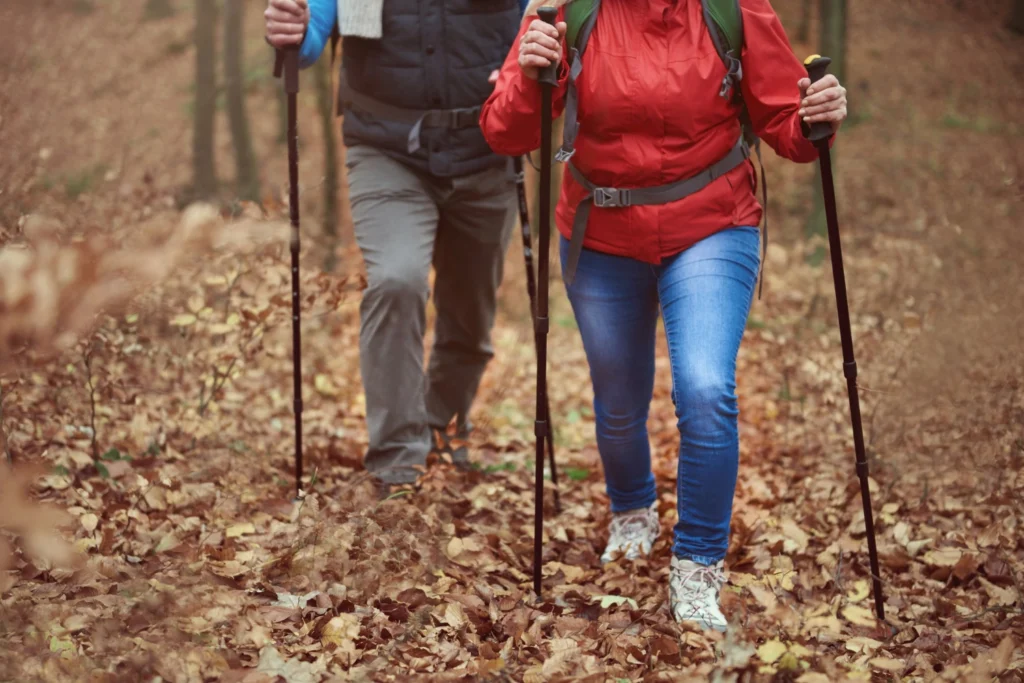
Outdoor equipment manufacturers are reducing the weight of winter hiking gear without treating warmth, weather resistance, or durability as optional. New insulation systems, lighter shell fabrics, and redesigned hardware are reaching mainstream products after years of development in alpine and expedition equipment.
The shift is practical. A lighter pack reduces fatigue on long approaches, improves balance on icy terrain, and leaves room for safety equipment. The savings are measured in grams, but the consequences appear after several hours in wind, snow, and steep country.
Why winter gear is getting lighter
Manufacturers are changing materials rather than simply removing features. High tenacity nylon and polyester now provide strong tear resistance at lower fabric weights. Modern coatings improve water resistance while using less material. Bonded seams and compact adjusters also replace bulky construction.
Insulation has changed most visibly. Premium synthetic fills use finer fibers that trap air efficiently and recover after compression. Advanced down treatments improve performance in damp conditions, although untreated down remains vulnerable to moisture. The U.S. Fish and Wildlife Service remains a useful reference for buyers checking responsible sourcing and wildlife related standards.
Weight reduction still has limits. A thin shell can feel impressive on a store hanger and fail quickly against granite, ski edges, or a loaded pack. Experienced manufacturers are targeting unnecessary bulk, not basic protection.
Materials moving into the mainstream
Waterproof breathable shells increasingly use lighter laminates with carefully tuned face fabrics. Three layer construction can reduce lining weight, but it demands precise manufacturing. Poorly bonded layers create weak points, especially around shoulders, cuffs, and pocket openings.
Insulation and warmth
Down remains the benchmark for warmth per gram. Hydrophobic treatments delay moisture absorption, but they do not make down waterproof. Synthetic insulation is heavier for the same warmth, yet it continues to gain ground in belay jackets, gloves, and clothing exposed to wet snow.
Some brands are also using recycled polyester in insulation and shell fabrics. Recycled content can reduce dependence on new petroleum feedstock, but it does not automatically produce a longer lasting garment. Service life remains the decisive metric.
Hardware and footwear
Aluminum buckles, low profile cord locks, and molded components remove small amounts of weight across a complete kit. In footwear, foam midsoles and woven uppers reduce mass, while protective toe caps and crampon zones preserve winter function. The gains are useful, but fragile hardware is no bargain in freezing conditions.
What lighter equipment changes in the field
A lighter winter pack can improve movement on uneven snow and reduce strain during repeated climbs. It can also encourage better decisions because users are less tempted to leave essential layers, repair tape, or emergency food behind. That benefit disappears when weight cutting removes redundancy.
Pack makers are responding with narrower frames and lighter suspension systems. These designs work well with compact loads, but they can become uncomfortable when carrying snowshoes, ropes, or extra fuel. Buyers should compare the pack with the load it will actually carry, not its empty weight.
The National Park Service continues to recommend planning around changing conditions rather than relying on equipment claims. A lighter jacket cannot compensate for poor navigation, inadequate gloves, or a missing insulation layer.
Where manufacturers still face tradeoffs
Durability, warmth, weather protection, and low weight remain connected. Improving one often pressures another. A lighter shell may need more careful use. A warmer garment may compress less effectively. A minimalist boot may save energy on packed trails but offer less protection in deep, uneven snow.
Testing is therefore moving beyond laboratory ratings. Brands are assessing abrasion, repeated washing, seam fatigue, and performance after compression. Independent standards from ASTM International help establish consistent methods, although no single rating captures every winter condition.
The strongest products are not the lightest products on a specification sheet. They are the ones that preserve critical protection while removing material users never needed. Winter hikers can expect more such equipment, but the sensible rule remains unchanged: count grams carefully, then count the consequences.